Honey lovers often assume that “raw” and “organic” mean the same thing, but they are actually very different labels. If you’ve ever stood in the grocery aisle comparing jars and wondering which one is healthier, tastier, or more natural, you’re not alone.
In this guide, we’ll break down the key differences between raw honey vs. organic honey, explain how each type is processed, and help you choose the best option for your lifestyle.
What Is Raw Honey?
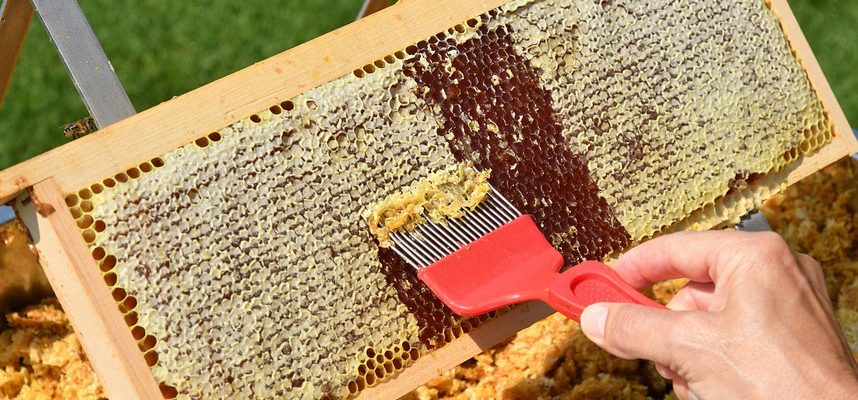
Raw honey is honey that comes straight from the hive with minimal processing. Typically, it is only lightly strained to remove bits of wax or debris, but it is not pasteurized or heavily filtered.
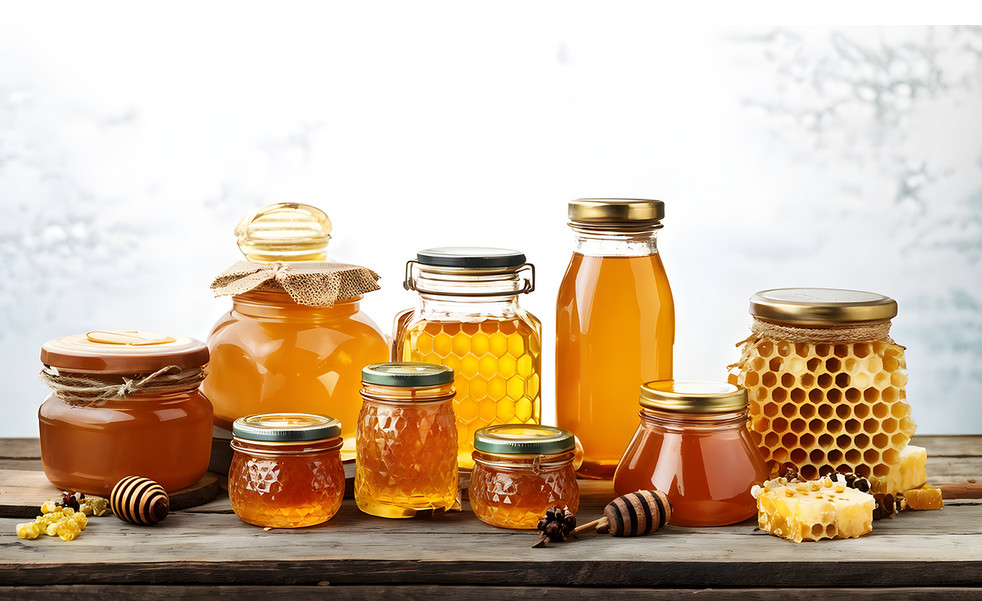
Because raw honey is minimally processed, it often contains:
- Natural enzymes
- Bee pollen
- Propolis
- Antioxidants
- Trace vitamins and minerals
Many health-conscious consumers prefer raw honey because heating and ultra-filtering can reduce some of these naturally occurring compounds.
Raw honey also tends to crystallize faster, which is actually a sign of minimal processing rather than spoilage.
What Is Organic Honey?
Organic honey refers to honey produced according to organic farming standards. In the United States, organic certification focuses on how bees are raised and where they forage. The bees, flowers, and surrounding environment must meet USDA organic guidelines.
For honey to be labeled organic, producers generally must ensure:
- Bees forage in pesticide-free areas
- No synthetic chemicals are used near hives
- Bees are not exposed to prohibited antibiotics or contaminants
- Organic handling practices are followed
However, here’s the important part: organic honey can still be pasteurized and processed.
That means a jar labeled “organic” is not automatically raw.
Raw Honey vs. Organic Honey: Main Differences
Here’s a simple comparison to understand the distinction.
| Feature | Raw Honey | Organic Honey |
|---|---|---|
| Processing | Minimally processed | May be processed or pasteurized |
| Filtration | Lightly strained | Can be heavily filtered |
| Nutrient Retention | Higher | Depends on processing |
| Organic Certification | Not always | Yes |
| Pollen Content | Usually retained | May or may not remain |
| Pesticide-Free Standards | Not guaranteed | Required by certification |
The biggest takeaway is this:
- Raw honey focuses on processing methods
- Organic honey focuses on farming standards
Some premium products are both raw and organic, offering the advantages of each.
Which Honey Is Healthier?
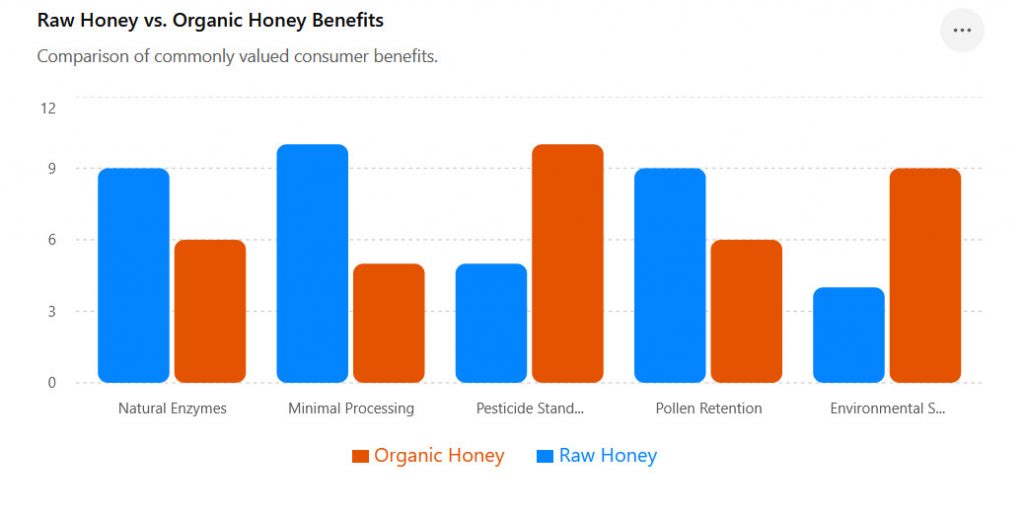
For nutritional value, many experts believe raw honey has the edge because it retains more natural enzymes, antioxidants, and pollen.
Research suggests raw honey may provide benefits such as:
- Antioxidant support
- Antibacterial properties
- Soothing sore throats and coughs
- Supporting wound healing
Pasteurization can reduce some of these compounds, although processed honey is still safe and enjoyable to eat.
Organic honey, meanwhile, appeals to consumers who prioritize environmentally conscious farming and reduced pesticide exposure.
Quick Comparison of Benefits
Raw Honey vs. Organic Honey Benefits
Does Organic Honey Mean Better Quality?
Not necessarily.
A jar of organic honey may still undergo heating and ultra-filtration, which can remove beneficial compounds and alter flavor. Some experts also point out that organic certification for honey can be difficult because bees naturally travel several miles from the hive.
That’s why many local beekeepers focus more on producing high-quality raw honey rather than pursuing organic certification.
If quality is your top priority, look for honey labeled:
- Raw
- Unfiltered
- Minimally processed
- Locally sourced
How to Read Honey Labels Correctly
Honey labeling can be confusing because terms like “natural” and “pure” are not always strictly regulated.
Here’s what common labels usually mean:
- Raw Honey: minimally heated and processed
- Organic Honey: produced according to organic farming rules
- Pure Honey: contains only honey with no added sweeteners
- Unfiltered Honey: retains more pollen and particles
- Natural Honey: marketing term with no strict legal definition
According to FDA guidance, honey products must be labeled accurately so consumers can make informed decisions.
Which Should You Buy?
The best choice depends on your priorities.
Choose Raw Honey If You Want:
- Minimal processing
- More natural enzymes and pollen
- A stronger, richer flavor
- Local beekeeper products
Choose Organic Honey If You Want:
- Certified organic farming practices
- Reduced pesticide exposure
- Environmentally conscious sourcing
Choose Raw Organic Honey If You Want:
- The benefits of both categories
- Minimal processing plus organic certification
For many consumers, the ideal option is raw, unfiltered honey from a trusted local beekeeper.
Final Verdict: Raw Honey vs. Organic Honey
When comparing raw honey vs. organic honey, neither is automatically “better” in every situation.
Raw honey is valued for its minimal processing and nutrient retention, while organic honey emphasizes pesticide-free and environmentally conscious production standards.
The healthiest and most natural option is often a honey that is both raw and organic, but quality, transparency, and sourcing matter just as much as the label itself.
Before buying, always read the label carefully and choose honey from reputable producers who clearly explain their harvesting and processing methods.


