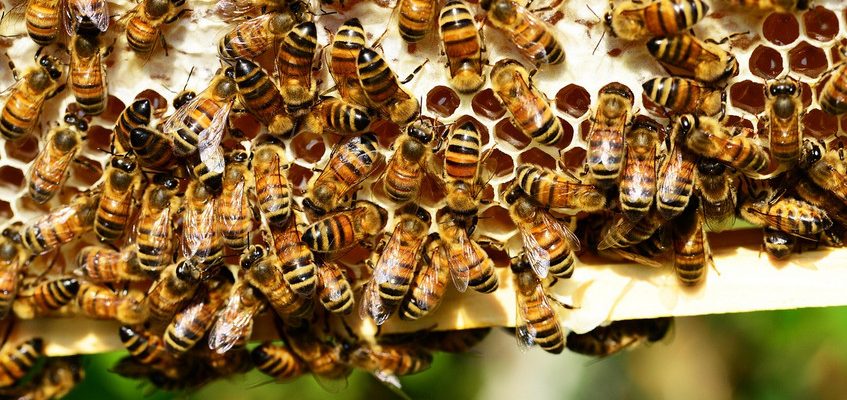
Unfiltered honey has become one of the most sought-after natural foods among health-conscious consumers, and for good reason. Unlike heavily processed honey, unfiltered honey retains natural enzymes, pollen, antioxidants, and nutrients that are often lost during pasteurization and fine filtration.
Its rich flavor, thick texture, and potential wellness benefits make it a favorite ingredient for everything from tea and smoothies to skincare and home remedies.
Whether you are searching for a healthier sugar alternative or simply curious about the buzz surrounding raw honey, this guide explains everything you need to know about unfiltered honey and why it deserves a place in your pantry.
What Is Unfiltered Honey?
Unfiltered honey is honey that has been minimally processed after extraction from the hive. While it may be lightly strained to remove large particles such as wax or bee debris, it is not ultra-filtered or heavily heated like commercial supermarket honey.
This process helps preserve naturally occurring compounds, including:
- Bee pollen
- Natural enzymes
- Antioxidants
- Amino acids
- Trace minerals
Because it undergoes minimal processing, unfiltered honey often appears cloudy or thick and may crystallize over time. These characteristics are signs of authenticity rather than spoilage.
Research highlights that minimally processed honey retains more antioxidant and antibacterial properties compared to highly processed varieties.
The Difference Between Unfiltered Honey and Regular Honey
Many consumers assume all honey is the same, but there are major differences between unfiltered honey and commercially processed honey.
| Feature | Unfiltered Honey | Processed Honey |
|---|---|---|
| Processing | Minimal | High heat and filtration |
| Texture | Thick and cloudy | Smooth and clear |
| Nutrients | Retains enzymes and pollen | Reduced nutrient content |
| Flavor | Rich and floral | Mild and uniform |
| Crystallization | Common and natural | Less common |
Commercial honey is often heated to improve shelf appearance and extend shelf life. However, excessive heating may destroy beneficial enzymes and reduce antioxidant levels.
Health Benefits of Unfiltered Honey
1. Rich in Antioxidants
Unfiltered honey contains antioxidants such as flavonoids and phenolic acids that help combat oxidative stress in the body. Antioxidants are associated with supporting overall wellness and protecting cells from damage caused by free radicals.
2. Natural Energy Booster
Because honey contains natural sugars like fructose and glucose, it provides quick and steady energy. Many athletes and fitness enthusiasts use unfiltered honey before workouts or endurance activities as a natural fuel source.
3. Soothes Sore Throats
One of the oldest traditional uses of honey is for sore throat relief. Its thick consistency coats the throat, while its natural antibacterial properties may help ease irritation. Warm tea with honey and lemon remains a trusted home remedy worldwide.
4. Supports Digestive Health
Some studies and wellness experts suggest that raw unfiltered honey may act as a natural prebiotic, supporting healthy gut bacteria. This can contribute to improved digestion and balanced gut health.
5. Antibacterial Properties
Honey has long been recognized for its antimicrobial effects. Scientific reviews note that honey possesses antibacterial and anti-inflammatory properties that may support wound healing and immune health.
How to Use Unfiltered Honey Daily
One reason unfiltered honey remains so popular is its versatility. Here are several easy ways to incorporate it into your routine:
- Stir it into herbal tea or coffee
- Drizzle it over oatmeal or yogurt
- Blend it into smoothies
- Use it in homemade salad dressings
- Spread it on toast or biscuits
- Add it to marinades and sauces
- Use it in DIY face masks
Because unfiltered honey has a more robust flavor than processed honey, a little goes a long way.
Does Unfiltered Honey Help With Allergies?
Many people believe local unfiltered honey may help reduce seasonal allergy symptoms because it contains traces of local pollen. While anecdotal evidence is widespread, scientific research remains limited and inconclusive on this claim.
Still, many consumers prefer local honey because it is fresher, less processed, and supports nearby beekeepers.
How to Choose High-Quality Unfiltered Honey
Not all honey labeled “natural” is truly unfiltered. When shopping, keep these tips in mind:
Check the Label
Look for words like:
- Raw
- Unfiltered
- Unpasteurized
- Pure honey
Avoid products containing corn syrup, artificial sweeteners, or added flavors.
Look for Cloudiness
Authentic unfiltered honey is usually less transparent than processed honey because it still contains pollen and natural particles.
Buy Local When Possible
Local honey is often fresher and produced in smaller batches with less industrial processing.
Expect Crystallization
Crystallized honey is normal and does not mean the honey has gone bad. Simply place the jar in warm water to soften it naturally.
Important Safety Considerations
Although unfiltered honey offers many potential benefits, there are a few precautions to remember:
- Infants under one year old should never consume raw honey due to the risk of botulism.
- People with bee or pollen allergies should use caution.
- Honey is still a form of sugar and should be consumed in moderation.
Final Thoughts
Unfiltered honey is far more than just a natural sweetener. Its rich flavor, nutritional compounds, and minimal processing make it a standout alternative to refined sugar and heavily processed honey products.
From antioxidant support to soothing sore throats, unfiltered honey continues to earn recognition as a versatile and wholesome pantry staple.
Whether you drizzle it over breakfast, stir it into tea, or use it in homemade remedies, choosing high-quality unfiltered honey allows you to enjoy honey in one of its purest forms. As consumers increasingly seek clean, minimally processed foods, unfiltered honey remains one of nature’s sweetest and most beneficial gifts.


